
Kitchen Remodeling
Should You Replace Your Kitchen Cabinets or Keep Them?
Maybe your kitchen cabinets are looking a little dated. The finish is worn, the doors aren't your favorite style anymore, or you're simply ready for something different.
Or maybe they look perfectly fine, but every time you need a pan, you're digging through the back of a cabinet.
Those are two very different problems, and they don't necessarily call for the same solution.
Before deciding to keep or replace your cabinets, it helps to understand what can be improved and what might be worth changing.
Look Beyond the Cabinet Doors
Before deciding what to do with your cabinets, take a closer look at their condition.
Open the doors and drawers. Are the cabinet boxes solid? Do the shelves sag? Are the drawers working properly? Look for water damage, particularly beneath the kitchen sink, where leaks can go unnoticed.
A drawer that sticks may just need new slides rather than an entirely new cabinet.
In homes throughout the Greater Lansing area, older cabinetry isn't necessarily poor-quality cabinetry. Some cabinets have held up remarkably well over the years.
Age alone isn't a reason to replace them. Their condition today tells you much more than how old they are.
Can You Refinish the Cabinets You Already Have?
If you like your cabinet doors and the kitchen layout works, refinishing may be an option.
Refinishing involves preparing the cabinet surfaces and applying a new finish, such as paint or stain. It changes the appearance without replacing the doors or cabinet boxes.
The material matters, though. Solid wood, wood veneer, and laminate each require the right preparation, and not all surfaces are suitable for staining.
If you're unsure what your cabinets are made of, it's worth talking with someone who specializes in cabinet refinishing. They can help determine whether painting or staining is suitable and what preparation is needed.
Sometimes a new color or finish is all it takes to give the entire kitchen a fresh look without replacing the cabinetry.
What About Cabinet Refacing?
Refacing is not the same as refinishing, although the terms are sometimes confused.
With refacing, the existing cabinet boxes stay in place. The doors and drawer fronts are replaced, while the visible cabinet frames and exposed sides receive a coordinating finish or covering.
This gives you the opportunity to choose a different door style, color, or finish without replacing all the cabinetry.
If your cabinets are in good condition and you're happy with the kitchen layout, refacing can make a significant difference in the overall appearance of the room.
Can You Improve the Storage Without Replacing Cabinets?
Good kitchen storage isn't just about how many cabinets you have. It's also about how easily you can use them.
Are you constantly reaching into the back of a deep cabinet to find a pan? Do you have enough drawers? Is there a practical place for small appliances, trash, and everyday kitchen supplies?
Some existing cabinets can be fitted with pull-out shelves, drawer dividers, or other interior organizers that make things easier to reach and keep in order. What's possible depends on the cabinet's dimensions and construction.
But organizers can't create space that isn't there.
When Does Replacing the Cabinets Make More Sense?
Sometimes new cabinets are the more practical choice.
Cabinet boxes that have swollen from water damage, deteriorating materials, or failing construction may not be worth refinishing or refacing.
Replacement also gives you more flexibility when changing the kitchen layout.
Maybe you want to move the refrigerator, change the size of the island, or create more countertop space. Those decisions can affect where cabinets need to go and how they're configured.
New cabinetry lets you plan the storage and layout around how you want to use the kitchen, rather than trying to fit everything around the existing cabinets.
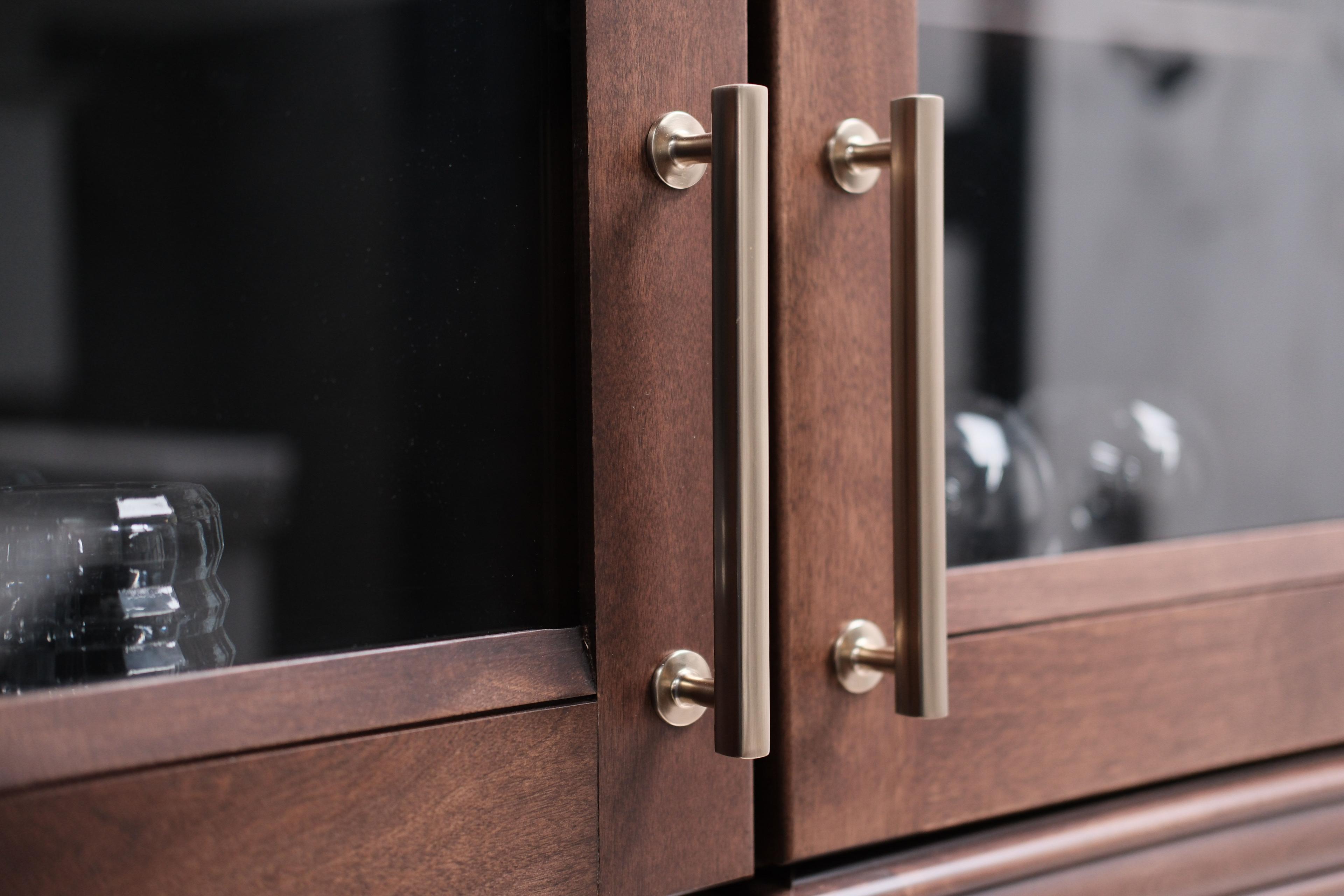
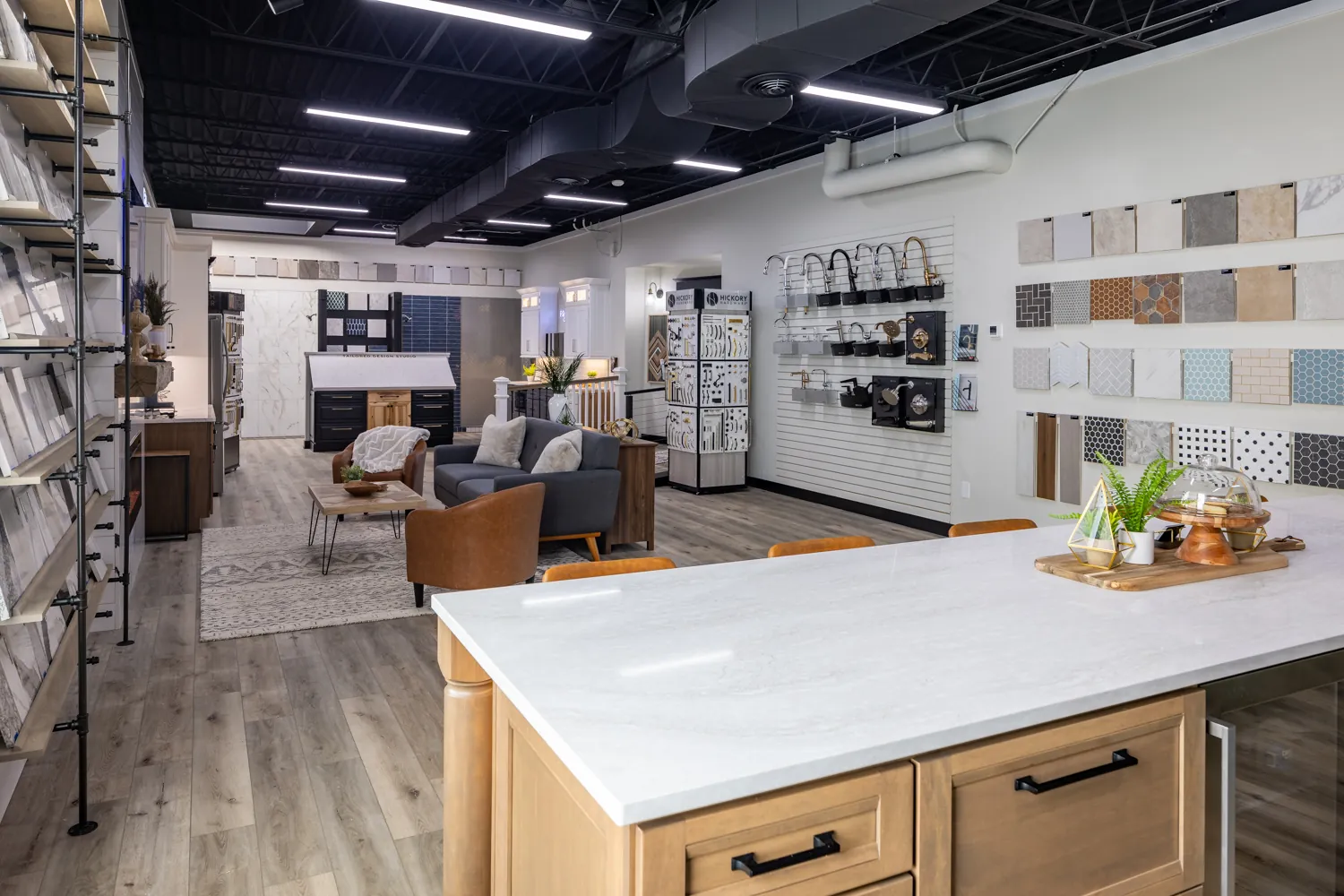
When exploring new cabinets, it's worth comparing different styles, finishes, and storage features. You can see some of those options through O'Leary Interiors' cabinetry collection.
Compare What Each Option Actually Includes
When comparing the cost of refinishing, refacing, or replacing cabinets, make sure you understand what's included in each estimate.
For refinishing, does the price include preparing the surfaces, making minor repairs, and applying the new finish? With refacing, are you getting new doors and drawer fronts only, or are other cabinet surfaces being updated as well?
If you're considering replacement, ask whether removing and disposing of the old cabinets is included, along with installation of the new ones.
It's also worth looking at how the cabinetry fits into the rest of your kitchen remodel. Will your existing countertops stay? Are you keeping appliances in the same locations? Those decisions can affect the overall cost.
The lowest estimate doesn't always include the same amount of work. Understanding what you're paying for makes it easier to compare your options.
Not Every Kitchen Needs New Cabinets
Before deciding to replace your cabinets, think about what you actually want to change. Is it the look of the room, the way you store and reach things, or the layout itself?
Those answers can lead to very different projects. You might discover that the cabinets you have are worth keeping. Or you might find that new cabinetry is the practical way to get a kitchen that works better for you.
Knowing the difference can save you from doing more work than you need—or settling for changes that don't solve the problem.
Thinking About a Project of Your Own?
When you're ready to talk about what you're considering for your home, we'd be glad to hear from you.