
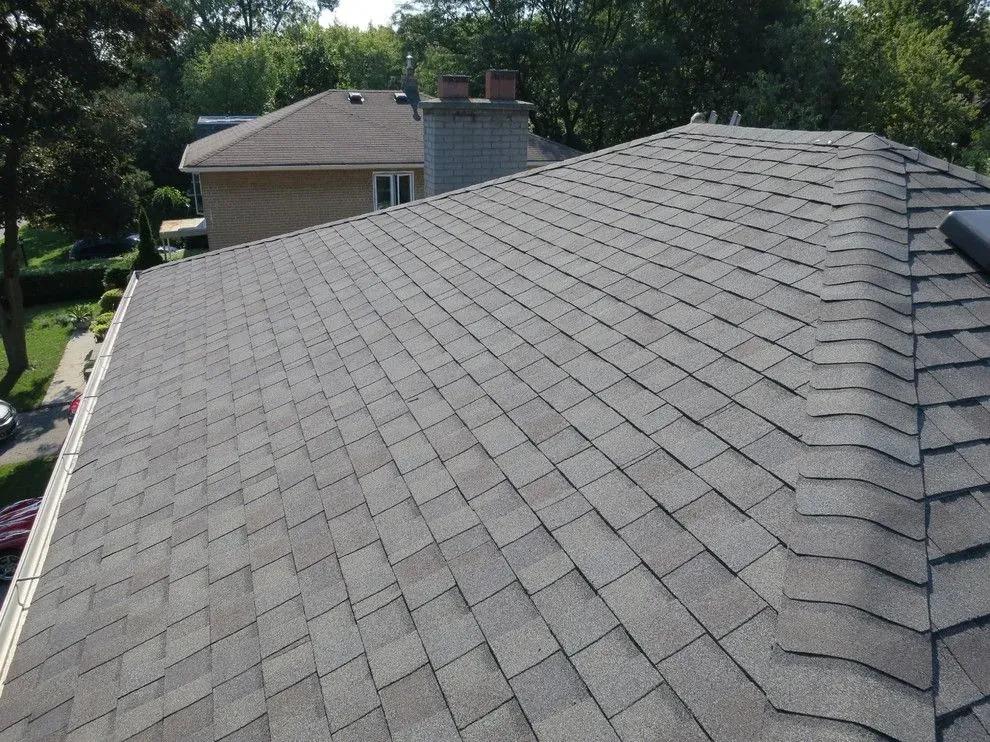
Roof Replacement
Your Roof Protects Everything Beneath It
When it's time for a new roof, we'll assess its condition, explain what needs to be done, and make sure you know what to expect.
Signs It May Be Time for a New Roof
Not every roofing problem means you need a replacement. But there are signs worth paying attention to.
- Excessive shingle granules collecting in your gutters.
- Shingles that are curling, cracking, or no longer lying flat.
- Leaks or water stains that keep coming back.
- A roofline that appears to sag or dip.
- An aging roof that's beginning to show signs of wear.
A New Roof Is More Than New Shingles
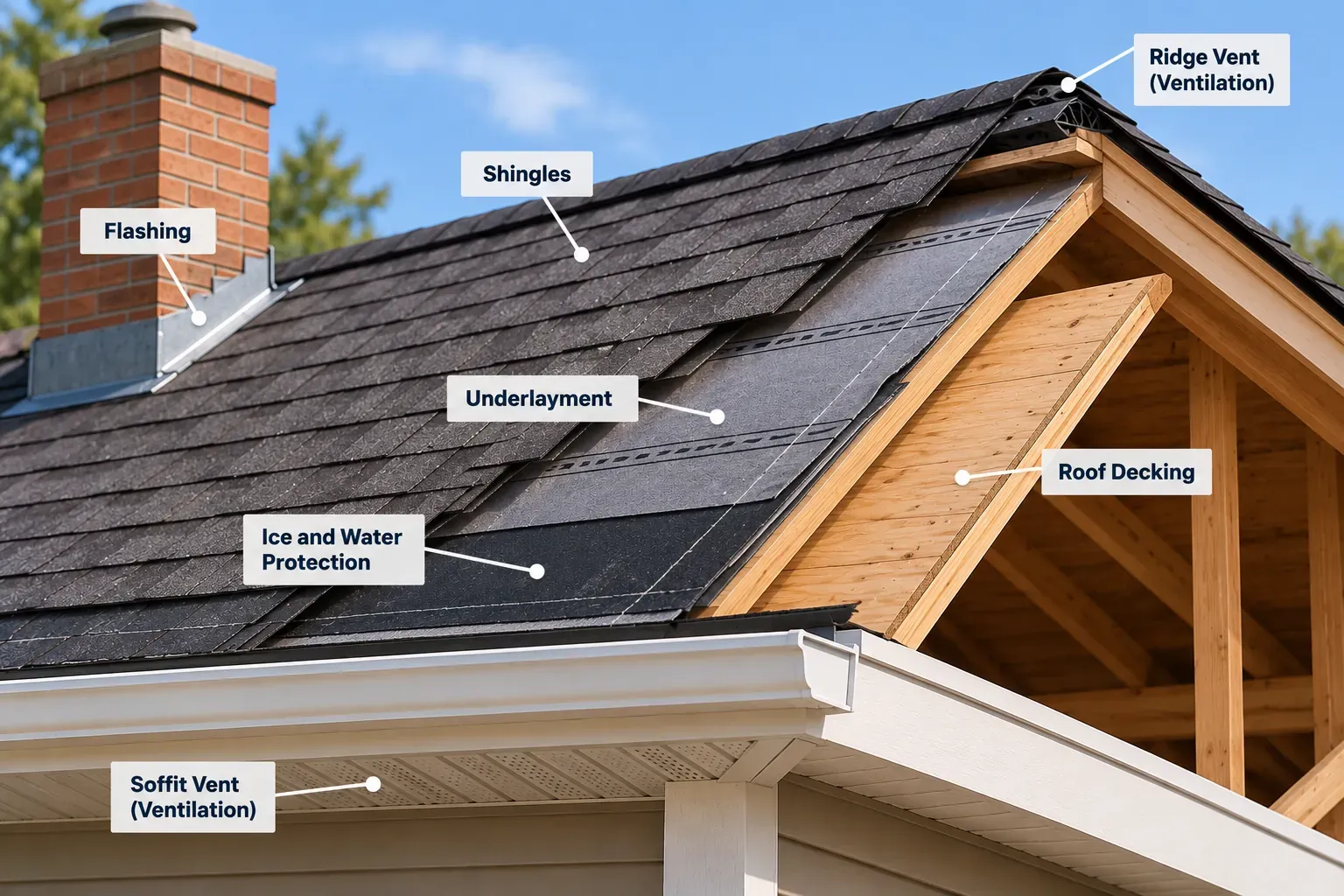
A roof works as a system. The shingles are what you see, but the materials underneath, the flashing around openings, and proper ventilation all play a part in protecting your home. When we replace a roof, we consider how each of these components contributes to the finished job.
- Roof Decking The wood surface beneath the roofing needs to be solid. If we find damaged or deteriorated areas, those sections need to be replaced before the new roof goes on.
- Underlayment Provides an additional layer of protection against water beneath the shingles.
- Ice and Water Protection An added barrier in areas vulnerable to ice dams and water backup, especially important during Michigan winters.
- Flashing Helps direct water away from chimneys, walls, vents, and other areas where water could get in.
- Ventilation Proper attic airflow helps manage heat and moisture, which can affect the performance and lifespan of your roof.
That's why we remove the old roofing instead of putting new shingles over it. We want to see what's underneath and address any problems before covering it back up.
When Ventilation Is Part of the Problem
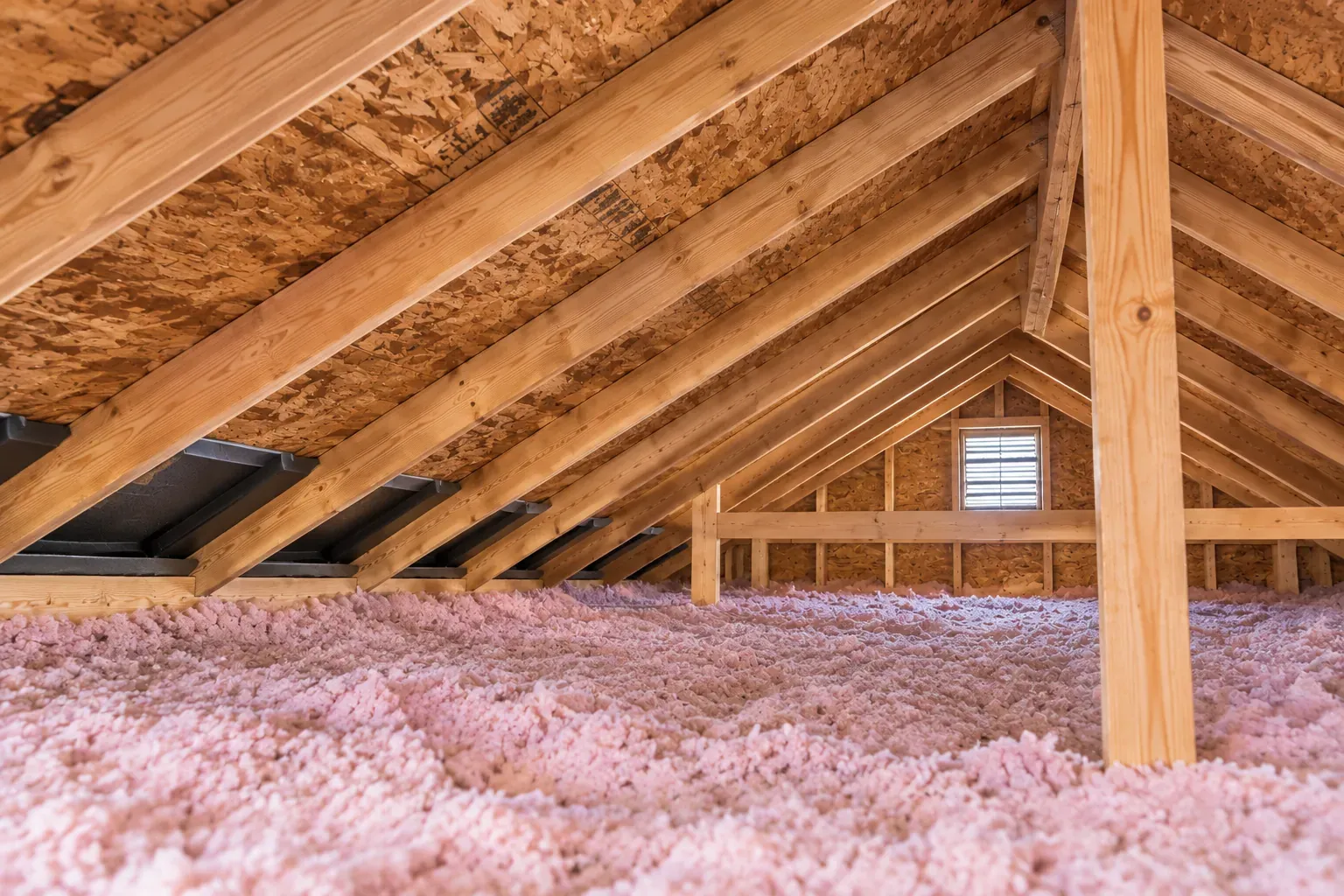
A new roof isn't always the whole answer. If heat and moisture are building up in the attic because of poor ventilation, those conditions can affect the roof decking and shorten the life of the shingles.
When we replace a roof, we also check the attic ventilation. If something needs to be corrected, we address it as part of the project.
From Old Roof to New
Here's what you can expect when we replace your roof.
- № 01
We Evaluate the Existing Roof
We look at the condition of the roof and determine what needs to be addressed.
- № 02
We Plan the Replacement
You'll know what work is included and what materials will be used before the project begins.
- № 03
We Remove the Old Shingles
Once the shingles are removed, we can inspect the roof decking and replace any damaged sections before moving forward.
- № 04
We Install the New Roof
We install the new roofing materials, paying attention to the details that matter, from flashing and water protection to proper ventilation.
- № 05
We Clean Up
When the work is finished, we clean up the job site so you can get back to your normal routine.
If We Find Something Unexpected
Some things can't be seen until the old shingles come off. If we find damaged decking or another issue that needs attention, we'll explain what we found, what needs to be done, and how it affects the project before moving forward.
For more information about roofing, visit our Homeowner Resources.
Questions Homeowners Ask
What If I See Daylight Through the Roof Deck From Inside My Attic?
A little daylight in your attic can be completely normal. You may see it around intentional ventilation areas, such as the soffits, ridge, or gable vents. But if you're seeing light through areas of the roof deck that should be solid, it's worth having the roof inspected.
Daylight coming through the roof deck can be a sign that shingles, underlayment, flashing, or other parts of the roofing system are no longer providing the protection they should. And in Michigan, where roofs have to handle freeze-thaw cycles, wind-driven rain, and snow, any opening that lets light in can potentially let moisture in, too.
If you're not sure what you're seeing, we can take a look and help determine whether it's normal ventilation or something that needs attention.
Can I Stay Home During a Roof Replacement?
Yes, in most cases you can stay home during a roof replacement. It can be noisy while the old roof is being removed and the new one is installed, and there may be some disruption around the house. We'll let you know what to expect and keep you informed throughout the project.
What Happens If It Rains?
We keep an eye on the weather throughout your project. If rain is in the forecast, we'll plan the work accordingly and make sure your roof is properly protected. If weather moves in unexpectedly, we'll stop work when needed and secure the roof. Once conditions are safe and dry, we'll continue where we left off.
Will My Landscaping Be Protected?
Yes. We protect the plants and areas around your house while we work, and we clean up thoroughly when the job is done.
Do You Replace Gutters?
Gutter replacement isn't part of a standard roof replacement. When we first look at your roof, we'll also take a look at the condition of your gutters. If we see that they need to be replaced, we'll talk with you about it and, if you decide to move forward, include the gutter work in your estimate.
What Type of Shingles Do You Use?
We typically recommend architectural shingles for their durability, appearance, and performance in Michigan weather. We'll talk through your options and help you choose a roofing system that makes sense for your home.
Do You Offer Financing?
Yes. We offer financing through GreenSky. If financing is something you're considering, we can go over the available options with you as part of the project conversation.
Not Sure Whether Your Roof Needs Replacing?
We'll take a look and tell you what we see.